
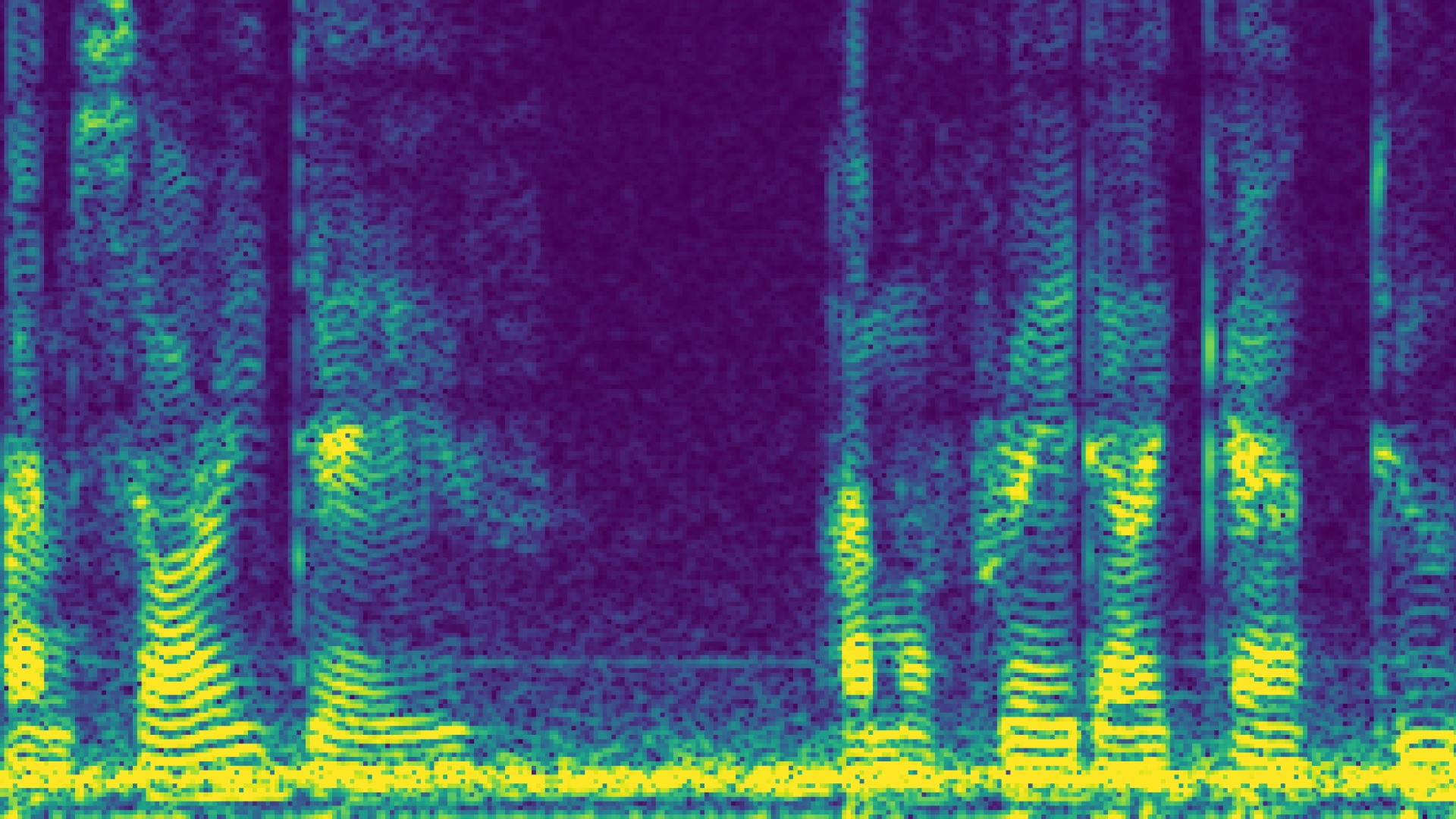
I share with you an explanation of the difference between sound and phoneme. There is a monumental confusion between the two entities and they are often used as synonyms, although they are different things. Phonemes and sounds are even studied by different disciplines! It is not easy to understand at first, but the distinction is very relevant when we treat patients. I hope it is useful! 😊
The sounds we produce when we speak are the result of a certain management of the air by the vocal tract (the vocal folds and the oral, nasal and pharyngeal structures located above) and the lungs. As we modify any part of the vocal tract, the sound we produce changes. For example, the shape, position and movement of the tongue give rise to sounds that we perceive as different, such as [t], [r], [l] or [k]. The variation in the articulation of the segments is very large. That is, we do not always articulate and produce the sound [t] identically. The mouth is a continuous space where there is no clearly drawn border that says “here ends the [t] zone”, but speakers perceive these borders. In other words, although we do not always pronounce [t] exactly the same, we perceive the border. Moreover, even though not everyone pronounces [t] in the same way, or even though we may speak with more or less enthusiasm or sometimes speak with a mouth full of popcorn, even so we perceive the border.
All these physical variations of [t] (in brackets, because it refers to a sound) fall within what would be an entity in the head that encompasses them: the phoneme /t/ (in bars, because it refers to a phoneme). These mental entities, phonemes, are categories that divide the spectrum of sound phenomena that we make with our mouths.
If we think, for example, of the vowel spectrum (in the vowels that we can make, from the most closed and anterior to the most open and posterior), we can observe that a gradual variation in the opening of the mouth, the position of the tongue and the shape of the lips makes us travel from one vowel to another quickly. That is, although these are gradual (and not discrete) changes, as if it were a range of colors, Catalan speakers divide this space into /a/, /ε/, /e/, /i/, /ɔ/, /o/, /u/ (unlike Spanish speakers, who divide it into /a/, /e/, /i/, /o/ and). This means that all the intermediate articulations that are made between /o/ and /ɔ/ a Spanish speaker will interpret them only as /o/, since the Spanish phonological system presents a single phoneme for this “sound space”. The French phonological system, for example, contains many more, and divides this continuum into up to seventeen vowels (if we include nasalized ones).